
What is different?
A Mental Model
How can you help?
What's next?
There has to be a reason
The primary premise of this work is that there has to be a reason for everything that we see and feel.
Much of science is built towards explaining things. Sometimes the explanations are complex.
Explanations can be simple.
For example, understanding why fog is murky and clouds have an immense amount of water in them need not be complicated.
Understanding our little water molecule is key to understanding differences between clouds and fog, ice and snow, and why liquid water freezes under high pressure.
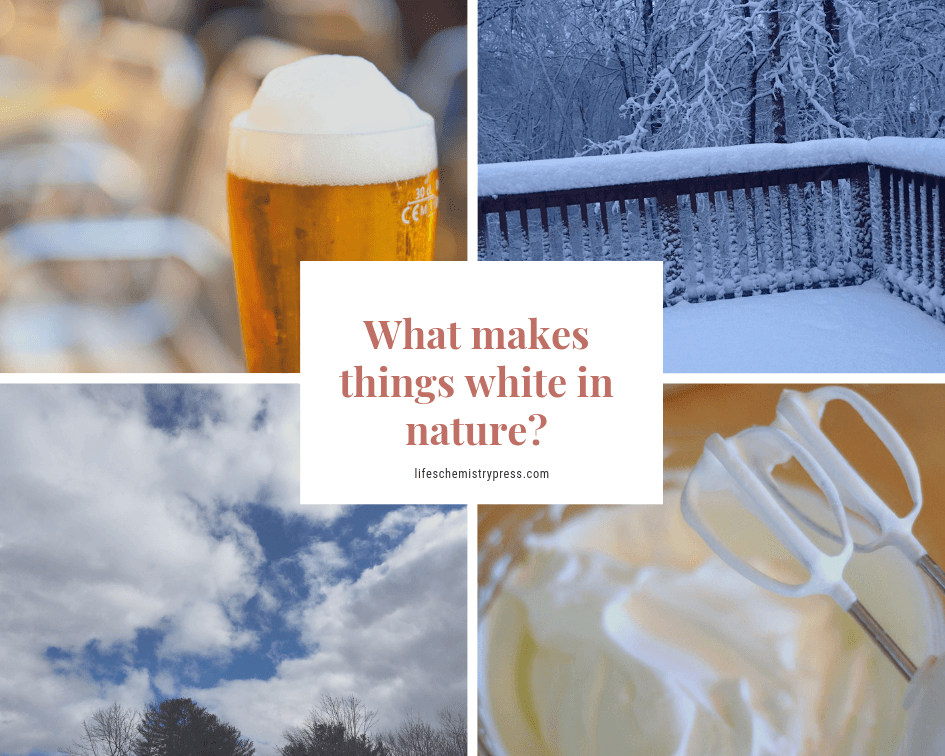
Explanations have to make sense without having to memorize a lot of facts (for example: 8 things that are unusually white in nature and Four things must happen to make water white are two posts that explain what makes things white in our world).
What we learn from one molecule can be easily applied to others.
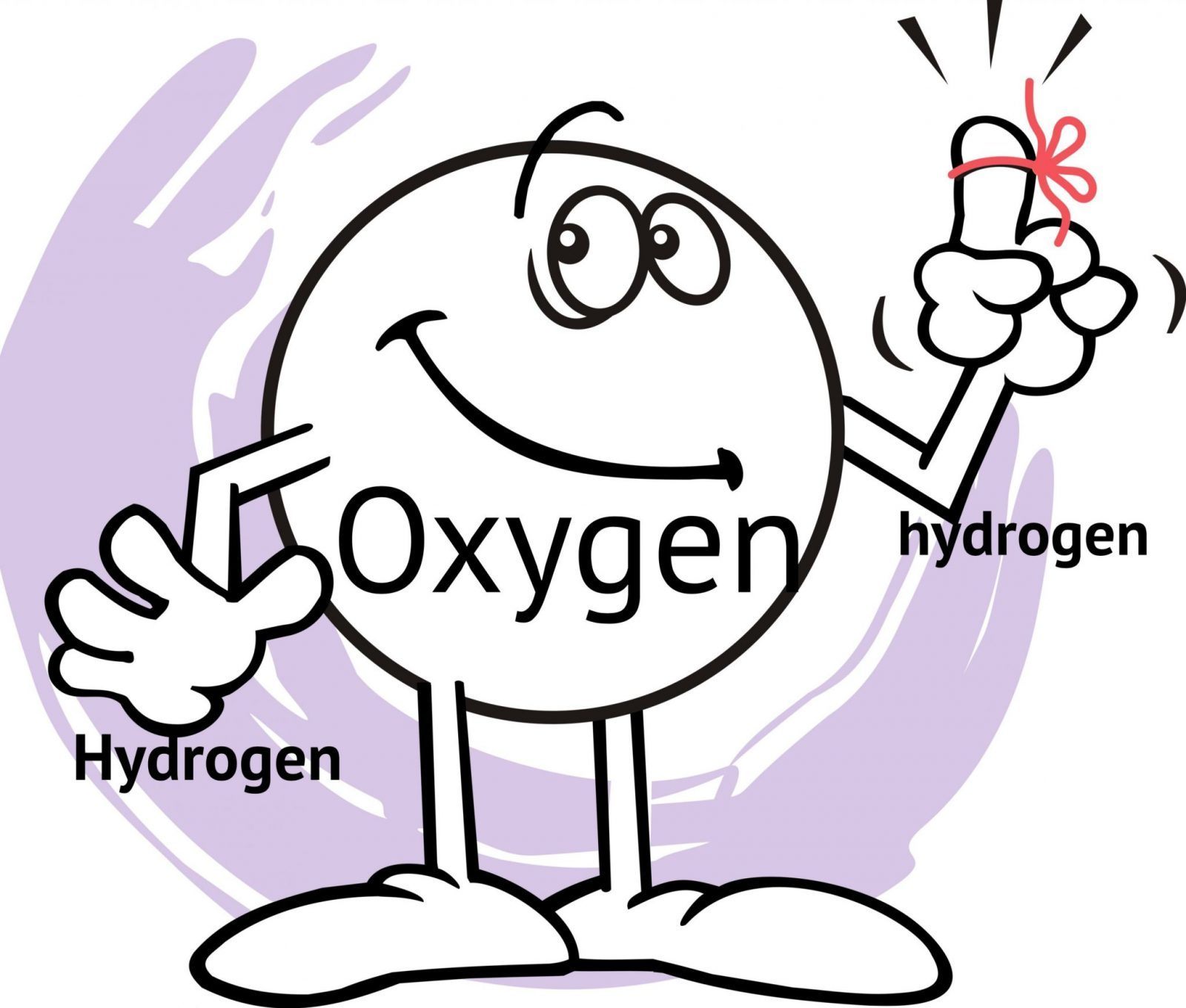
Understanding water's connections between its oxygen and hydrogen atoms explains a lot of things.
How oxygen behaves as a blue liquid at cold temperatures; why carbon dioxide sublimates; how mercury produces toxic vapors at room temperatures, and even why bromine is a red volatile gas at room temperatures.
Water
To really understand life and health, one has to understand water.
And to really understand water, one has to understand the hydrogen bond.
- Why does the hydrogen atom have such power in creating virtually instantaneous but fleeting bonds with atoms such as nitrogen and oxygen
- Why is the hydrogen bond so versatile, sometimes flimsy but often as hardy as steel.
I will be writing about a lot about water. But also, I am working on developing courses describing the hydrogen bond in a way that makes sense. For example, even though ice is a pure hydrogen bonded structure, it retains the strength of a solid state.
Atoms
Elements clear change their physical structure with changes in the environment, say a colder or warmer state.
However, atoms also change their physical characteristics when close to a very demanding atom. For example, sodium normal lets go of its electron forming a cation (Na+). In the presence of highly cationic molecules, though, sodium can change into an anion, a natride (Na-).
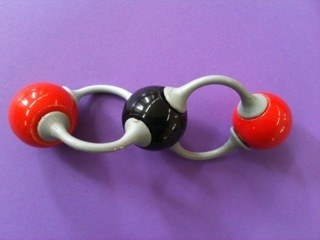
Carbon dioxide
A model
Is it possible to produce a model that can explain such disparate bonding patterns such as hydrogen bonds, the reactivity of oxygen, and the triple bond of the nitrogen molecule (N2)?
How about explaining why some atoms are clearly part of living structures whereas others in the same family are bypassed?
I believe it is. Working through the oxygen-hydrogen bond connections in water will be the stepping stone to bonding in well known molecules such as CO2, O2, and N2, among others.
Here's how
This is a work in progress.
I would love to get feedback, positive or negative. Use the comment sections in the posts or the contact link.
When possible, please be gentle with the negative feedback and generous with the positive.
This work is something I am passionate about. Clearly I will not be right some of the time.
My sincere hope is that I am right much of the time and that I can make a difference.
And, if possible,
I will need help.
From persons from multiple fields, such as molecular biology, computer simulations (for example, 3D modeling), and biophysicist-mathematicians.
If you have interest in collaborating with me, send me an email. I would love to hear from you.
Thank you!
What is the destination?
There are connections between all living creatures.
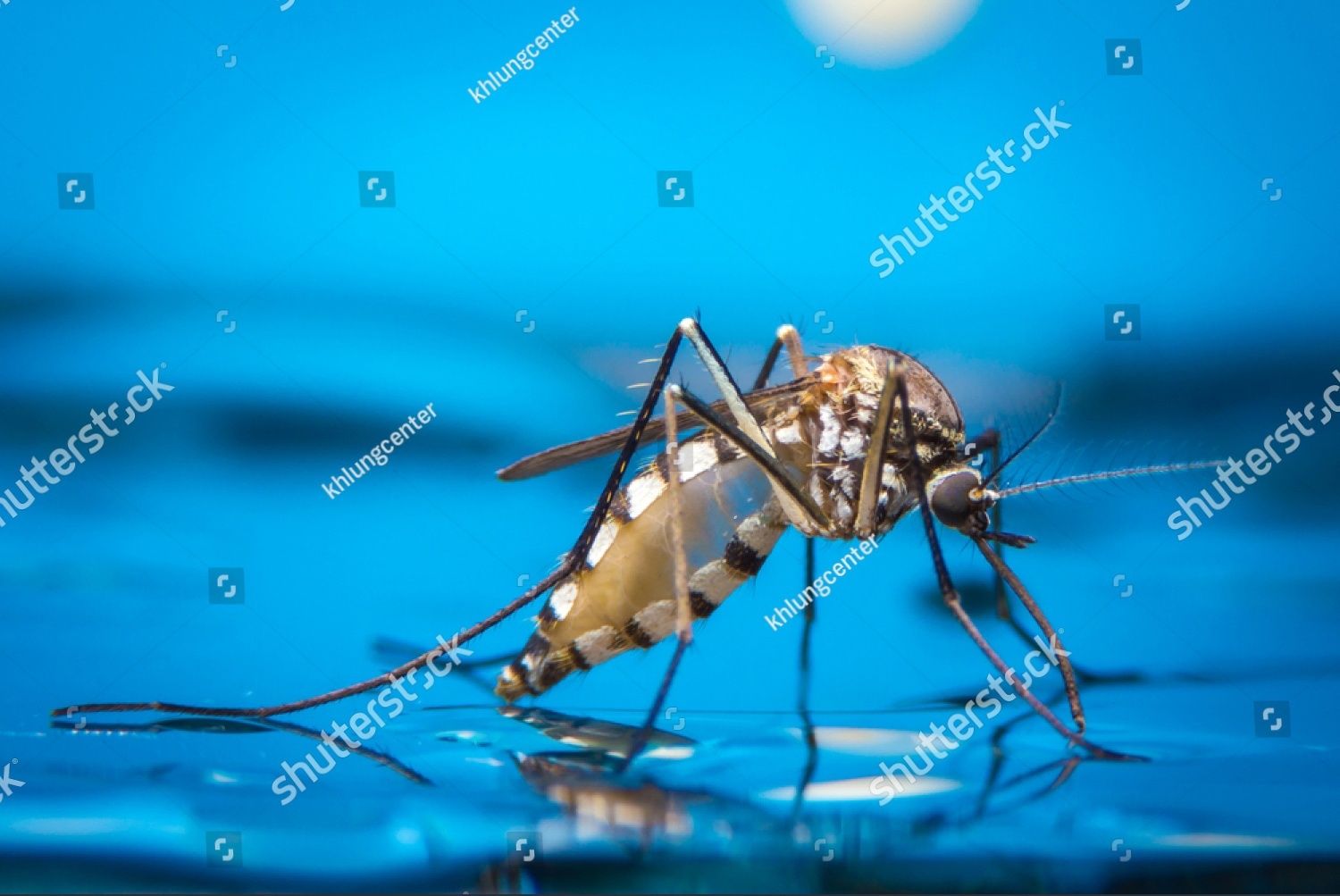
For example, the CO2 that the mosquito tracks is used by the malarial parasite that lives in the mosquito's stomach and is critical for our being able to process oxygen in and out of our lungs.
My ultimate goal is to show those connections at the molecular level and through computer simulations.
How will we get there?
We are starting with water and understanding the intricacies of the amazing hydrogen bond.
From there, it is a small but significant step to outlining key physical characteristics that exemplify the elements in the Periodic Table.
Using those models, it will be possible to extrapolate to areas like:
- What makes atoms part of life?
- How small molecule systems form
- How large molecule systems form
- and so on
It will take time. With a group working together, we can do this.